

Anxiety Disorders in Children
Childhood anxiety disorders are among the most common mental health conditions in Hong Kong. Around 8 to 10% of school-aged children are affected, with girls more affected than boys.Anxiety disorder can be categorized into different types, stemming from various triggering factors, including generalized anxiety disorder, separation anxiety disorder, specific phobias, social anxiety disorder, and selective mutism. Let's learn about these five common types of anxiety disorder in children!
5 Common Types
Generalised Anxiety Disorder
Constant worry and negative thoughts about everyday matters such as homework, grades, and peer relationships.
I constantly worry that something bad will happen, and this worry is not isolated or triggered by a specific situation.
Feeling anxious and uneasy for no apparent reason, and pessimistically magnifying trivial matters.
Being constantly under stress makes children prone to irritability and difficulty concentrating.

May experience physical discomfort, such as sleep problems or muscle tension.
Separation anxiety
Frequently fear of losing parents or the parent will be harmed
Constantly feeling unwell when separated from loved ones, such as headaches, stomach pains, vomiting
Recurring nightmares of separation
Do not want to be alone
Extremely afraid of being separated from parents or primary caregivers. They may refuse to go to school or cry intensely to keep their parents nearby.
Specific Phobia
Excessive fear of situations or objects that pose no real danger, such as small insects or being in a vehicle. The child will typically avoid these, or endure them with intense distress.
Will usually avoid certain objects and situations, or suffers painfully when it is unavoidable

Social Anxiety Disorder
Extreme nervousness in social situations or when talking to others. May stay silent, tremble, or worry about being judged. May repeatedly ask to leave.
Fear of being judged
Extremely scared of being in touch with strangers or in a social context, such as school, birthday party, vacation etc.

Fear of being in the spotlight, such as performing on stage or answering questions in class
Selective Mutism
Children with selective mutism consistently remain silent in certain social settings, such as school or gatherings.
However, those children can talk and communicate with others normally, if they feel safe and comfortable, usually at home
Difficult to express or explain their fear and worries

Treatment
Treatment methods depend on the type and severity of the anxiety problem.
If a child continues to experience symptoms of anxiety for more than a month and it is affecting their daily life, they should seek professional help and undergo evaluation as soon as possible.
A psychiatrist will conduct a thorough clinical evaluation of the child to understand the symptoms and causes, and then determine an appropriate treatment plan. Commonly used treatment methods include psychological counseling and medication.
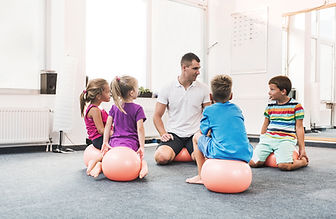
Primarily targets the patient's thoughts, behaviors, and physiological reactions, providing corresponding interventions.
This therapy will proceed in a progressive manner, helping children experience and gradually confront their fears by directly facing them. Afterwards, children will be taught relaxation exercises to help manage and alleviate the physiological symptoms caused by anxiety.
Psychotherapy
By taking appropriate anti-anxiety medications, such as selective serotonin reuptake inhibitors, patients can effectively reduce anxiety symptoms and decrease relapse rates.
Medication